RESEARCH PROJECTS
SUPERCONDUCTING TORQUE MOTORS
Funding Program: KMU-innovativ of the Federal Ministry of Education and Research
Funding Area: Energy Efficiency and Climate Protection
Topic: Robust Cooling and Safety Diagnostics for Superconducting Motors (ROKSS)
Funding Duration: 10/01/2015 – 03/31/2018
Funding Identifier: 01LY1504
Project Goal:
The technical goal of this project is to develop a stator module that allows for the flexible construction of stators for electrical machines with superconducting windings. The core of the module primarily comprises the superconducting winding and a cryogenic cooling system. Particular attention must be paid to the robustness and reliability of the cooling system. The short thermal and electrical time constants of superconductors necessitate rapid safety diagnostics to detect any potential overload in real-time and transition the system to a safe operational state. The safety architecture will be implemented based on power electronics closely related to the stator module. This concept offers high flexibility across a wide power range. In addition to the actual protective diagnostics, another key objective is the loss-optimized operation of the superconductor with AC currents.
Project Description:
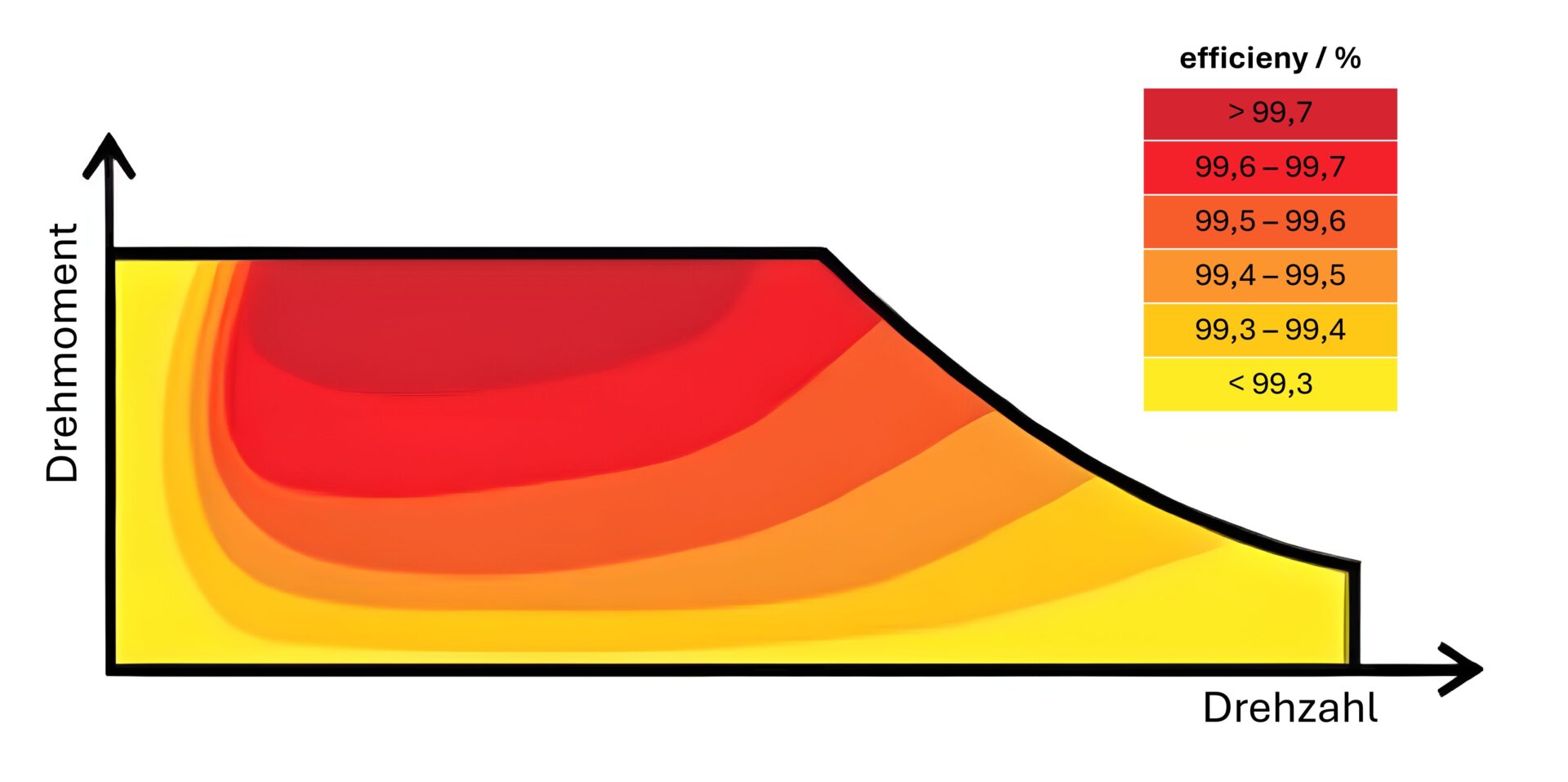
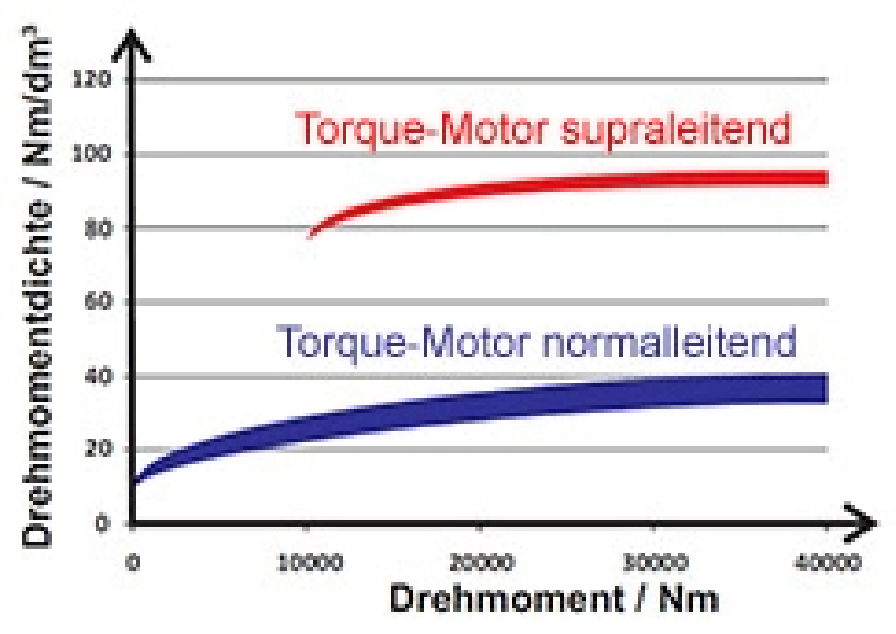
The main focus of the system is on enhancing the efficiency of electric drives. In this regard, the goal is not only to improve consumption efficiency but also to enhance resource efficiency and production efficiency. The use of superconductors in electric machines provides significant advantages and great potential in all three areas. Due to the very high current densities, which are 10-20 times greater than those of conventional copper technology, materials can be saved during production, leading to increased power density and system dynamics alongside actual loss reduction during operation. The improved dynamics enable higher cycle rates in production processes, thus increasing production efficiency. The increased power density opens up new application areas, such as main drives in aviation, where current market penetration is not possible with conventional copper technology.
SUPPORTED BY:
PROJECT CARRIER:

PROJECT PARTNER: